Most people think about dash cams purely in terms of what's happening in front of them, but a huge share of accidents and disputes actually happen from behind — rear-end collisions, reversing mishaps, hit-and-runs in parking lots. That's exactly why a rear camera for car use has become such a practical addition for drivers who want the full picture, not just half of it.
A rear camera for car doesn't replace your front dashcam — it complements it. Where a front camera documents what's ahead, a rear-facing unit covers your blind spot, literally and figuratively.
What Happens Without One
If someone rear-ends you at a red light, or backs into your bumper in a parking lot, footage from behind is often the only thing standing between "he said, she said" and a clear, indisputable record of what actually happened.
Rear View Dash Cam vs a Basic Reversing Camera
This is where a rear view dash cam earns its place. Unlike a basic reversing camera that only activates when you shift into reverse, a proper rear view dash cam records continuously, the same way your front unit does.
Why Continuous Recording Matters
That constant recording matters because most rear-end incidents happen while you're driving forward, not while backing up — someone tailgating too closely, a driver who doesn't brake in time, or a vehicle that clips your rear bumper while merging.
Standalone vs Paired Systems
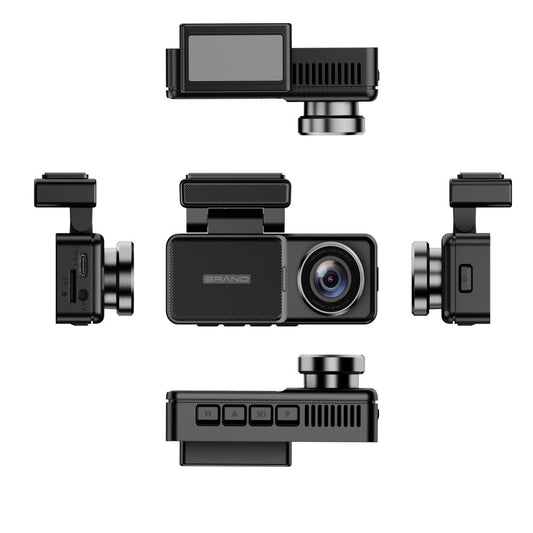
For anyone comparing options, a rear camera for car use typically falls into two categories: a standalone unit mounted near the rear windshield, or a rear lens that pairs with an existing front dash cam as part of a dual-camera system.
When a Standalone Unit Makes Sense
The standalone route works well if you already have a front camera you're happy with and just want to add rear coverage without replacing anything.
When a Paired System Makes Sense
The paired route makes more sense if you're setting up from scratch and want one cohesive system with synced footage from both directions.
What Makes a Good Camera Car Rear Setup
When it comes to actual camera car rear performance, a few things separate a genuinely useful unit from one that just sits there recording without much value.
Resolution and Angle
Resolution matters — a blurry rear feed won't help you read a license plate after a hit-and-run. Wide-angle coverage matters too, since rear windows tend to have more visual obstructions than a clean windshield view.
Weatherproofing
Weatherproofing is worth checking if the unit mounts externally, since it'll be exposed to rain, dust, and temperature swings that a cabin-mounted front camera never has to deal with.
Night Performance
A rear car cam that performs poorly in low light is essentially useless during evening commutes or overnight parking, which is precisely when a lot of parking lot dings and hit-and-runs occur. Good rear cameras compensate with wider apertures or dedicated night modes.
Wired vs Wireless Rear Cameras
One thing worth knowing before you buy: some rear setups use a dash cam wireless rear camera, which transmits footage to the main unit without running a physical cable across your cabin.
Why Drivers Choose Wireless
This tends to appeal to drivers who don't want visible wiring running along the roof or door frames.
The Trade-Off
It's worth checking signal reliability, since wireless transmission can occasionally introduce a bit more lag or dropout compared to a hardwired connection.
Choosing the Right Setup for How You Drive
If you're deciding between a simple setup and a more complete one, think about how you actually use your car day to day.
For Everyday Commuters
If most of your driving is solo commuting on familiar roads, a lightweight rear camera for car use focused purely on continuous rear recording is usually enough.
For Rideshare, Delivery, or Tight Parking
If you're navigating tight parking situations often, drive for rideshare or delivery work, or simply want maximum protection from every angle, pairing a rear view dash cam with your existing front unit rounds out your coverage in a way that's hard to argue with once you've actually needed it.
Installation and Everyday Use
Installation for most rear units is simpler than people expect. Most mount along the top edge of the rear windshield using an adhesive pad, with cabling run discreetly along the headliner and down to a power source.
Once it's set up, it runs the same way your front camera does: continuously, quietly, and without any daily interaction required.
Shop Rear Cameras for Cars at CamDashPros
A rear camera for car use isn't about assuming something bad will happen behind you — it's about making sure you're not left guessing if it does. Browse our range below to find a rear view dash cam or standalone rear unit that fits how you actually drive.