Why a Front Camera for Car Use Matters
If you've ever wondered whether you actually need a dashcam, the answer usually becomes obvious the first time something goes wrong on the road. A front camera for car use is the simplest, most direct way to protect yourself — it watches the road exactly the way you do, capturing everything from sudden lane cuts to red-light runners.
A car front camera doesn't need to be complicated to be effective. Most drivers are better served by a clean, front facing dash cam that does one job extremely well: recording the road ahead in sharp, reliable detail.
Front and Inside Coverage: Why It's Growing in Popularity
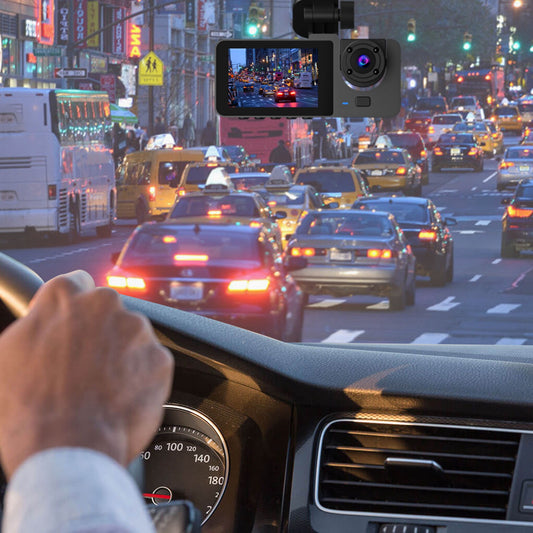
While a standard front-only setup covers the basics, more drivers are now leaning toward a dash cam front and inside configuration, especially those who drive for work. This setup captures the road ahead and the cabin at the same time.
Who Actually Uses Front and Inside Dash Cams
Rideshare drivers use this setup to document passenger behavior. Parents use it to keep an eye on backseat passengers. Everyday commuters use it simply because it adds a layer of accountability that a front-only camera can't offer on its own.
Front and Rear and Inside vs Front and Inside
There are a few configurations that sound similar but serve different purposes. A dash cam front and rear and inside setup adds a third lens for rear traffic, giving a 360-degree view of everything around and inside the vehicle.
For Fleet and Delivery Drivers
A dash cam front rear and inside model is built the same way — front road view, rear traffic view, and interior cabin view — and tends to appeal to fleet operators or delivery drivers who want maximum coverage without gaps.
For Everyday Drivers
If you're not driving commercially and mainly want cabin monitoring without the added rear camera, a front and inside dash cam is usually the sweet spot — simpler setup, faster installation, easier footage review.
What Actually Makes a Good Front-Facing Dash Cam
Not every front facing dash cam is created equal. The difference usually comes down to a handful of features that matter more in practice than they do on a spec sheet.
Resolution and Night Performance
Sharper footage means you can actually make out license plates and road signs when it counts. Night performance matters just as much — a huge number of incidents happen in low light, and features like HDR and wide dynamic range help footage stay usable in the dark.
Loop Recording and G-Sensor
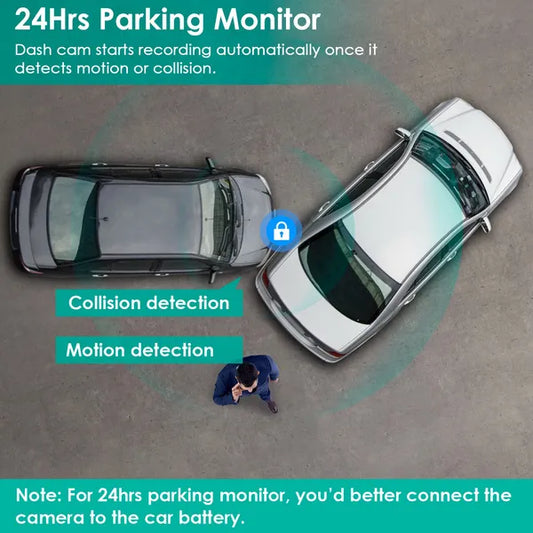
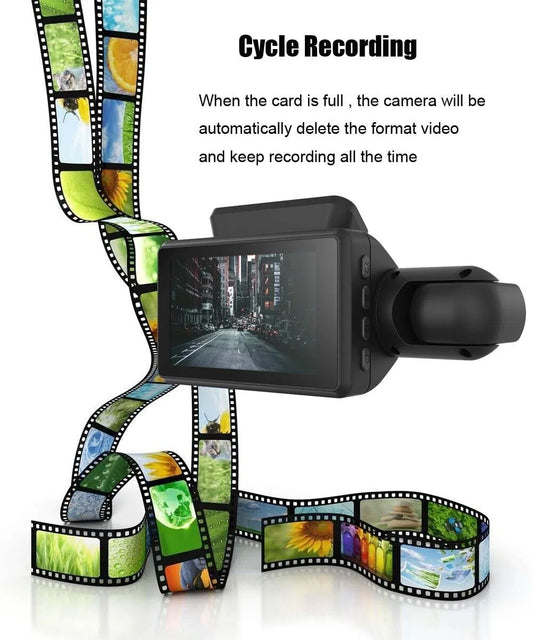
Loop recording keeps the camera running without you manually managing storage. G-sensor technology automatically locks footage the moment it detects a collision or hard brake. Together, these are what make a car front camera something you install once and forget about.
Finding the Best Front and Inside Dash Cam for Your Needs
People searching for the best front and inside dash cam are usually solving a specific problem. A rideshare driver wants proof of what happens inside the car. A parent wants a quiet way to keep tabs on the backseat. A daily commuter just wants solid road coverage without overspending.
Budget-Friendly Option
A well-built front and inside dash cam at a reasonable price point can cover both angles clearly, without the added cost of a three-camera system most casual drivers will never fully use.
For Higher-Mileage or Commercial Use
If you're running a fleet or driving long routes for work, stepping up to a dash cam front and rear and inside setup is worth it — rear coverage alone can make the difference in disputed multi-vehicle accidents.
Installation and Everyday Use
Installation is more straightforward than most first-time buyers expect. Most front-facing and front-and-inside dash cams mount behind the rearview mirror using a suction cup or adhesive pad, keeping the setup discreet.
Wiring typically runs along the windshield trim to a 12V outlet or fuse box. Day-to-day, loop recording means you never think about storage — older footage gets overwritten while anything flagged by the G-sensor stays protected.
Choosing What's Right for Your Driving
Picking between a simple car front camera and a more advanced front and inside dash cam comes down to how you use your car. Solo drivers who want reliable road documentation are covered by a clean front facing dash cam.
If passengers are a regular part of your driving — rideshare work, family trips, or anything in between — a front and inside dash cam adds protection that's hard to put a price on once you've needed it. For longer routes or commercial use, a dash cam front rear and inside setup gives complete coverage from every direction.
Shop Front Cameras for Cars at CamDashPros
Whatever your driving looks like, having a front camera for car use running in the background means you're never left without answers when something happens on the road. Browse our collection below to find the right setup for how you actually drive.