Most people don't think about a dashcam until they actually need one. Then it's the one thing they wish they'd had. A 1080p dashboard camera won't fix a bad commute, but it'll at least give you something to point to if things go sideways out there, whether that's a fender bender at a red light or someone backing into your bumper in a parking lot.
At CamDashPros, we sell Full HD dashcams that are built to just work, day after day, without needing you to babysit them. No confusing menus, no features you'll never touch. Take a look through the lineup below and see what fits your car.
So What Does "1080p Dashboard Camera" Actually Mean?
It's a mounted camera that records at 1920x1080, which most people know simply as Full HD. That's the same resolution your TV probably runs at, so the quality is familiar, sharp enough to make out details, without being overkill for a camera that's just sitting on your windshield all day.
An HD dashcam handles the stuff you'd expect: your commute, weekend errands, that one road trip you take every summer. Depending on the exact model, you might also get loop recording, night vision, a G-sensor for crash detection, or a second camera pointed at the back of the car.
Does Higher Resolution Always Mean Better?
Not really, and it's worth saying that plainly. A dashcam full HD 1080p unit still needs a good lens and sensor behind that resolution number, or the footage won't hold up once it's dark out or raining. If you drive a lot at night, or you specifically want to be able to zoom in and read a license plate clearly, it's worth comparing against our 4K dash cam collection instead. For most everyday driving though, 1080p gets the job done just fine.
Why a Full HD Dashcam Is Usually Enough
You really don't need the newest, most expensive tech to get footage you can actually use. A 1080p dash cam gives you a resolution that's been around long enough to be reliable, and it covers the vast majority of driving situations without you paying extra for specs you'll never notice.
The footage is clear enough to matter. Full HD picks up a lot more than an older, lower-res camera would, which you'll appreciate the one time you actually need to go back and review something. That said, how clean the footage looks still comes down to the lens, the sensor, and your lighting conditions, not the resolution alone.
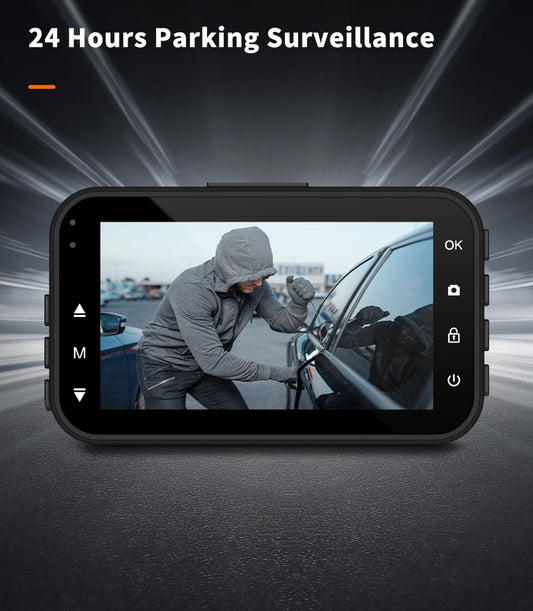
It's there when something happens. Accidents don't wait for you to be paying attention. A dashcam quietly captures whatever leads up to a collision, a hard stop, or anything else worth revisiting later. And depending on how your camera's set up, that same footage can help you document a hit-and-run, or figure out who dinged your car while it was parked outside your office.
It fits into normal, everyday driving. Doesn't matter if it's your own car, a work vehicle, or something you drive for hours at a stretch, an HD dashcam earns its spot. Just don't overpay for a camera stacked with features you'll set up once and forget about.
What Actually Matters When You're Choosing One
Every dashcam looks roughly the same in a product photo, so it helps to know what you're actually comparing.
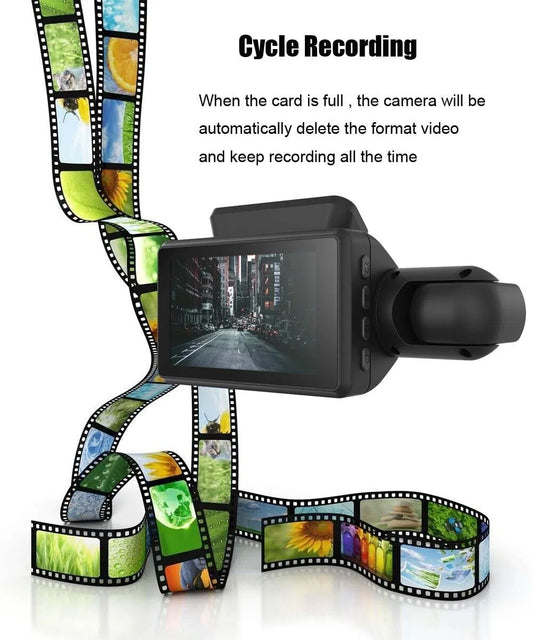
Loop recording means your camera keeps going even after the memory card fills up, it just records over the oldest clips. Some cameras let you lock a specific clip so it doesn't get erased, which is handy, but don't rely on it completely. Back up anything important yourself.
If you're driving after dark a lot, pay more attention to night vision than to the resolution number on the box. Low-light performance comes down to the sensor and lens quality more than anything else, so it's worth reading the actual specs instead of assuming Full HD automatically means great night footage.
A G-sensor picks up sudden impacts and, on a lot of models, automatically protects that footage so it doesn't get overwritten later. It's a small thing, but it's exactly the kind of small thing you'll be glad you had.
And then there's coverage. A single camera only sees what's ahead of you. If you want the back of the car covered too, or even the inside of the cabin, you'll need a dual or multi-channel setup instead of a basic single-lens dashcam.
Picking the Right Camera for How You Actually Drive
Think about your normal week before anything else. If it's mostly commuting or running errands, a straightforward front-facing 1080p dashcam is probably all you need. If you're driving with passengers often, doing rideshare work, or just want more visibility around the vehicle, it makes sense to step up to a model with extra cameras.
Beyond that, it comes down to smaller details, how it mounts, how it's powered, what memory card it takes, whether you want app or Wi-Fi access to your footage. None of that is complicated, but it's worth checking before you buy instead of after.
1080p or 4K: Which One Should You Actually Get?
The short answer is resolution. 1080p records in Full HD, 4K records at a noticeably higher resolution and holds up better if you're zooming in on something specific, like a license plate at a distance. For everyday use though, most drivers won't notice much of a practical difference.
If you're still weighing the two, it's worth browsing the full range of dashcams at CamDashPros before deciding. Sometimes seeing the actual footage samples side by side makes the choice a lot easier than reading spec sheets.